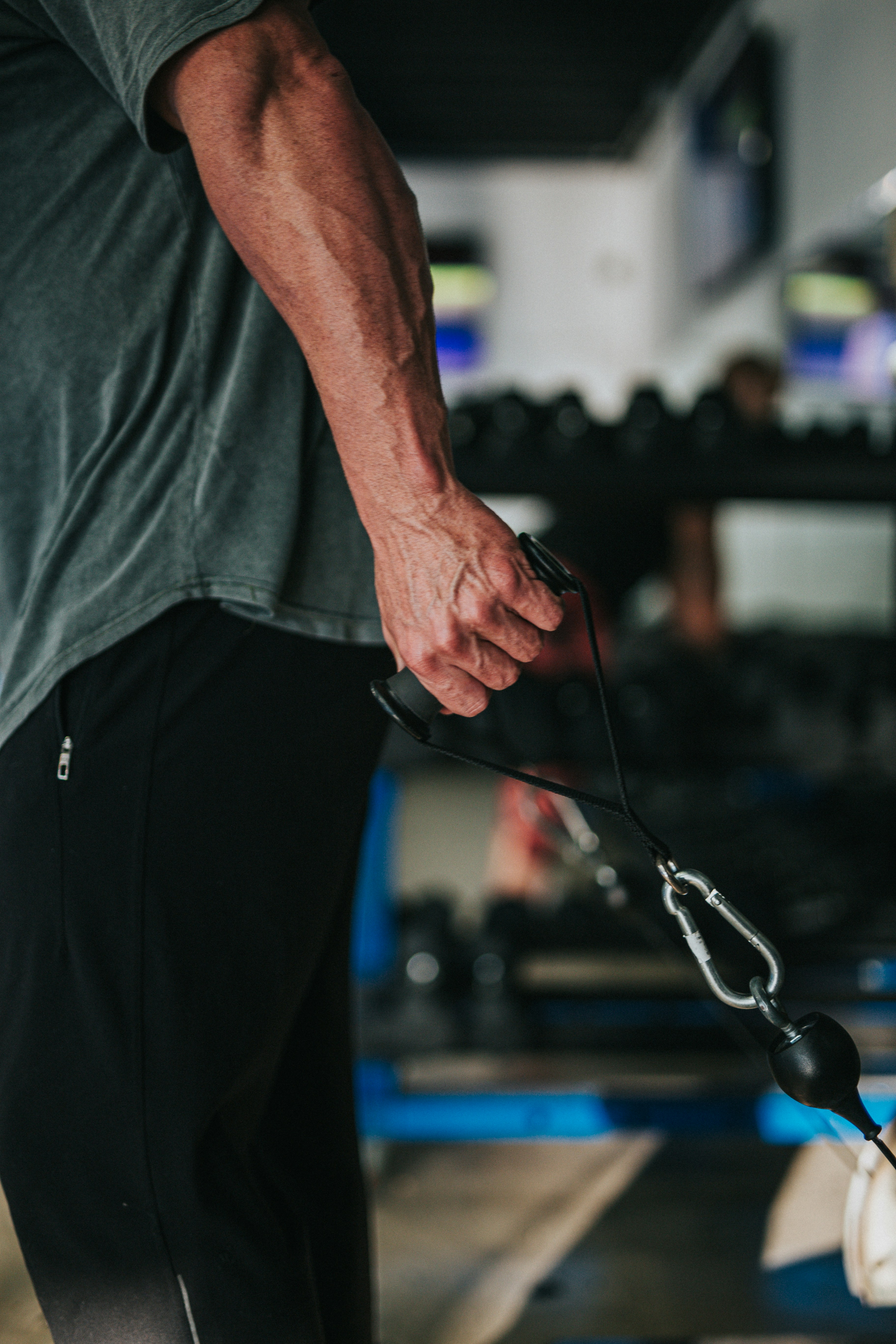
No pill has ever replicated what one hard session does. That isn't a marketing claim. It's a research problem drug companies still haven't solved.
“Training isn't a competition for who can do the most. It's a negotiation with a nervous system that has its own recovery timeline.”
Daily life keeps muscles reasonably strong. It rarely gives connective tissue the graded, progressive exposure it needs to keep pace — so the first demanding weekend of the season becomes the first real test the structure has faced in months.
There's a quiet assumption most people carry into their 40s, 50s, and 60s: that a step gets slower, a reaction gets a beat behind, a swing loses some snap, simply because that's what happens with time.
There is a version of aging that most people accept without question: the gradual, inevitable erosion of physical power, speed, and resilience. But what if we told you it doesn't have to be that way?
There is a deeply ingrained cultural assumption about exercise: more is better. More days per week, more hours per session, more volume, more sweat. We're here to teach you otherwise.